
As criticisms of pot prohibition continues, new PBS documentary “Prohibition” is must-watch TV
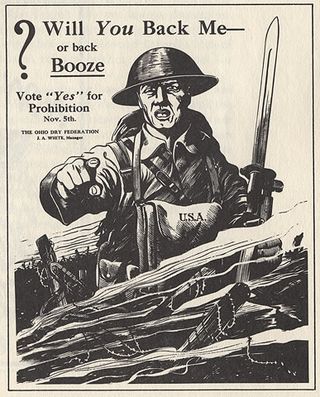
PROHIBITION is a three-part, five-and-a-half-hour documentary film series directed by Ken Burns and Lynn Novick that tells the story of the rise, rule, and fall of the Eighteenth Amendment to the U.S. Constitution and the entire era it encompassed. The culmination of nearly a century of activism, Prohibition was intended to improve, even to ennoble, the lives of all Americans, to protect individuals, families, and society at large from the devastating effects of alcohol abuse.
But the enshrining of a faith-driven moral code in the Constitution paradoxically caused millions of Americans to rethink their definition of morality. Thugs became celebrities, responsible authority was rendered impotent. Social mores in place for a century were obliterated. Especially among the young, and most especially among young women, liquor consumption rocketed, propelling the rest of the culture with it: skirts shortened. Music heated up. America’s Sweetheart morphed into The Vamp.
Prohibition turned law-abiding citizens into criminals, made a mockery of the justice system, caused illicit drinking to seem glamorous and fun, encouraged neighborhood gangs to become national crime syndicates, permitted government officials to bend and sometimes even break the law, and fostered cynicism and hypocrisy that corroded the social contract all across the country. With Prohibition in place, but ineffectively enforced, one observer noted, America had hardly freed itself from the scourge of alcohol abuse — instead, the “drys” had their law, while the “wets” had their liquor.
The story of Prohibition’s rise and fall is a compelling saga that goes far beyond the oft-told tales of gangsters, rum runners, flappers, and speakeasies, to reveal a complicated and divided nation in the throes of momentous transformation. The film raises vital questions that are as relevant today as they were 100 years ago: about means and ends, individual rights and responsibilities, the proper role of government and finally, who is — and who is not — a real American.
I do not think one needs to be a committed critic of the modern war on drugs to be worried that, now in 2011, the enduring national prohibition on marijuana often “turn[s] law-abiding citizens into criminals, [makes] a mockery of the justice system, [causes] illicit [drug use] to seem [comical] and fun, encourage[s] neighborhood gangs to become national crime syndicates, permit[s] government officials to bend and sometimes even break the law, and foster[s] cynicism and hypocrisy.”
I am rooting not only for this documentary to be a stark reminder of the failures of alcohol prohibition, but also for it to encourage new persons ask hard questions “about means and ends, individual rights and responsibilities, the proper role of government” and American virtues and values in conjunction with modern federal pot prohibtion.