
“The Economist’s Guide to Crime Busting”
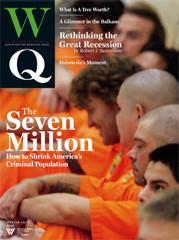
The folks at The Crime Report have made the article linked above available via this post where they summarize the article’s three chief innovative ideas: ” raise the minimum age at which adolescents can legally leave school, encourage more ‘business improvement districts,’ and increase taxes on alcoholic beverages.” And here is the piece’s closing paragraph:
These and similar ideas represent a new frontier in thinking about crime. Whatever one thought of the old formula of putting more and more people behind bars, it is simply no longer affordable. Likewise, the old debate between hard and soft approaches to crime has been exhausted. The line between those false extremes is being blurred by new approaches that recognize that we can deter crime by improving peoples’ life chances, and that coercion can in some cases be a key element of such efforts, as with compulsory schooling laws. As in medicine, an ounce of prevention is worth a pound of cure. We must learn to think of programs as various as preschool education and drug treatment as elements of our crime-fighting strategy. America’s next war on crime must look at the full spectrum of solutions and pay special attention to giving those people who are most likely to turn to crime the skills and incentives to make a better choice.