
In (sentencing) memoriam: why I am already missing Justice Scalia
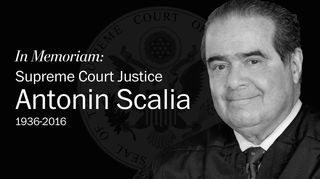
I could (and likely will in some future law review pages) wax even more potetic about the Blakely opinion and about how his work in the Apprendi and Booker lines of cases are likely to long persist as the most critical and consequential constitutional rulings in the modern history of sentencing jurisprudence. But in this post, I am eager to take a few moments to note and link some highlights in the remarkable corpus of significant sentencing opinions authored by Justice Scalia during his three decades on the high court:
Mistretta v. United States, 488 U.S. 361 (1989) (dissenting)
Stanford v. Kentucky, 492 U.S. 361 (1989) (for the Court)
Harmelin v. Michigan, 501 U.S. 957 (1991) (for the Court and concurring)
Callins v. Collins, 510 U.S. 1141 (1994) (concurring)
Almendarez-Torres v. United States, 523 U.S. 224 (1998) (dissenting)
Apprendi v. New Jersey, 530 U.S. 466 (2000) (concurring)
Ring v. Arizona, 536 U.S. 584 (2002) (concurring)
Blakely v. Washington, 542 U.S. 296 (2004) (for the Court)
Johnson v. United States, 135 S. Ct. 2551 (2015) (for the Court)
By keeping this list focused only on sentencing cases, I have left off many of Justice Scalia’s hugely consequential opinions on lots of other criminal law matters (see, e.g., Crawford and Heller). And, I suspect that some readers think fondly (or perhaps not so fondly) of other Scalia sentencing opinions not listed above. But even this abridged list highlights how profoundly significant Justice Scalia was in shaping modern sentencing jurisprudence.
Prior related post: